

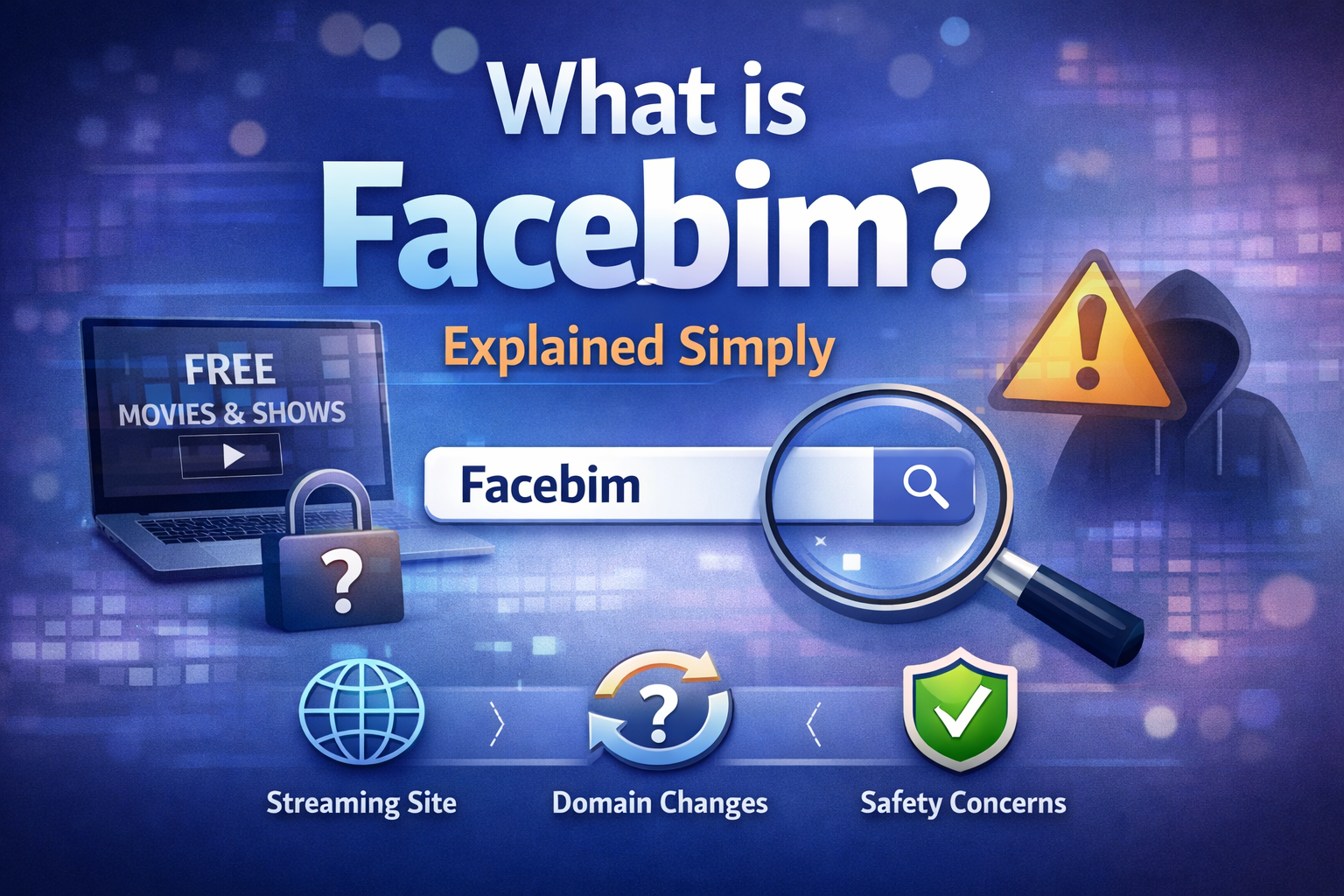
Many people search online for unfamiliar website names when they come across them in forums, redirects, or random search results. One of those terms is facebim, which has raised curiosity because it does not sound like a common word, app, or mainstream platform. That mystery is exactly why readers want a clear explanation.
This article breaks everything down in simple language. You will learn what this term likely refers to, why it attracts attention, how people usually discover it, and what safety concerns should be considered before visiting any unfamiliar site connected to it.
What Does the Term Mean?
In simple terms, facebim appears to be the name of a website or online domain rather than a dictionary word or recognized software category. People usually search it because they want to understand whether it is a platform, a streaming site, a tool, or something else entirely.
The term does not carry a widely accepted meaning in business, education, or technology. Instead, it seems to be tied to online browsing behavior, redirects, and user curiosity. That makes it more of a web identity than a standard concept with a fixed definition.
Why Are People Searching for It?
There are several reasons this keyword gets attention. First, unusual domain names often spark curiosity, especially when users find them through links, pop-ups, or search suggestions. A strange name can make people wonder whether they are dealing with something useful, risky, or simply confusing.
Second, many users search unfamiliar sites before clicking further. They want to know if a site is real, safe, active, or worth visiting. That is why terms like facebim often gain search traffic even when they are not part of a major brand or service.
A Simple Explanation for Beginners
For someone hearing the name for the first time, the easiest way to understand it is this: it seems to be a website label that people encountered online and wanted explained. It is not commonly discussed like Netflix, YouTube, or Spotify. Instead, it appears in a more uncertain and less transparent online context.
That is important because many internet users assume every unfamiliar site must belong to a company, product, or app. In reality, some names spread simply because users are trying to verify what they are seeing. This keyword fits that pattern very well.
Is It a Website, Platform, or Tool?
The most accurate description is that facebim appears to be a website name or web platform identity. There is not enough public clarity to describe it as a professional software tool, business solution, or established online service with strong brand recognition.
This distinction matters for writing and SEO. Calling it a “tool” may sound too technical, while calling it a “website” is more accurate and easier for readers to understand. A clear and balanced description helps the content stay trustworthy and informative.
How Users Usually Encounter It
Most people do not search this term because they heard about it in a news article or official announcement. Instead, they usually come across it through web browsing, links, redirects, or discussions on informal pages. That discovery path creates confusion and pushes users to search for answers.
When a site name spreads without much official explanation, people start relying on blogs and third-party pages to understand it. That is why a simple article like this becomes helpful. Readers are not looking for technical detail alone. They want clarity, context, and safety advice.
What Kind of Content Is It Linked To?
Public discussions often connect the name with media or streaming-style access. That suggests people may associate it with movies, shows, or entertainment browsing rather than with productivity, communication, or shopping. Still, the available information tends to be unclear and fragmented.
Because of that uncertainty, writers should avoid making exaggerated claims. It is better to say that the term is commonly linked with media-related browsing than to present it as a fully verified content service. Careful wording makes the article more accurate and more useful.
How Does It Seem to Work?
From a practical point of view, websites like this often work through direct visits and domain changes. A user may land on one address, then be told that the platform has moved or been renamed. That pattern can create confusion and make people search old and new names repeatedly.
This also explains why interest continues even when the original name becomes less active. Once people remember a site by one title, they keep searching it later to see if it still exists, has changed, or now points somewhere else. That behavior keeps the keyword alive in search.
Why the Name Feels Confusing
One reason facebim feels confusing is that it lacks obvious meaning. Many site names hint at their purpose, such as shopping, video, learning, or messaging. This one does not clearly tell the user what it offers, which increases the need for articles that explain it in plain English.
Another reason is the possibility of rebranding or domain changes. When one name leads to another, readers often wonder whether both are connected. That confusion makes them search for definitions, comparisons, and safety reviews before they continue browsing.
Is It Safe to Visit?
Safety is the biggest concern whenever users research unfamiliar domains. If a site has weak transparency, unclear ownership, frequent redirects, or limited trust signals, it is smart to be careful. People should avoid entering personal details or downloading anything unless they feel fully confident.
In general, when a website is not widely recognized and does not clearly explain who runs it, caution is the best policy. Use strong browser protection, avoid suspicious pop-ups, and never assume a site is trustworthy just because it loads correctly.
Is It Legal?
Legality is another question many readers ask. When a website is associated with streaming or entertainment access, users often want to know whether the content is licensed or unofficial. Without clear public documentation, it is difficult to make strong legal claims with confidence.
The safer approach is to encourage readers to use verified and licensed platforms whenever possible. That advice protects both privacy and peace of mind. Even if a site seems convenient, uncertainty around its content model should never be ignored.
Does It Still Exist?
This is one of the most common questions behind searches for facebim. Many users want to know whether it is still active, whether it has moved to a new domain, or whether the original version no longer exists in the same form. That kind of uncertainty often keeps search interest going.
When domains change names, older users continue searching the previous title long after the site has shifted elsewhere. That is why articles explaining the history or identity of a name can remain useful even when the site itself changes direction.
What Readers Should Keep in Mind
Before visiting any unfamiliar website, take a few smart steps. Search for independent reviews, check whether the domain clearly identifies its owner, and avoid giving away personal details. These basic habits can protect you from low-trust pages and misleading redirects.
It is also wise to think about why you are visiting the site in the first place. If you only want entertainment, information, or downloads, there are usually more transparent alternatives available. Trust and clarity matter more than curiosity when your privacy is involved.
Final Thoughts
To sum up, facebim is best understood as an online site name that has attracted interest because people want a simple explanation of what it is and whether it can be trusted. It is not a widely known mainstream product, which is why the term continues to create confusion.
For SEO writing, the best strategy is to explain the term clearly, avoid overusing the keyword, and give readers practical value. A balanced article should define the name, describe why people search it, and remind users to stay careful with unfamiliar websites.
