

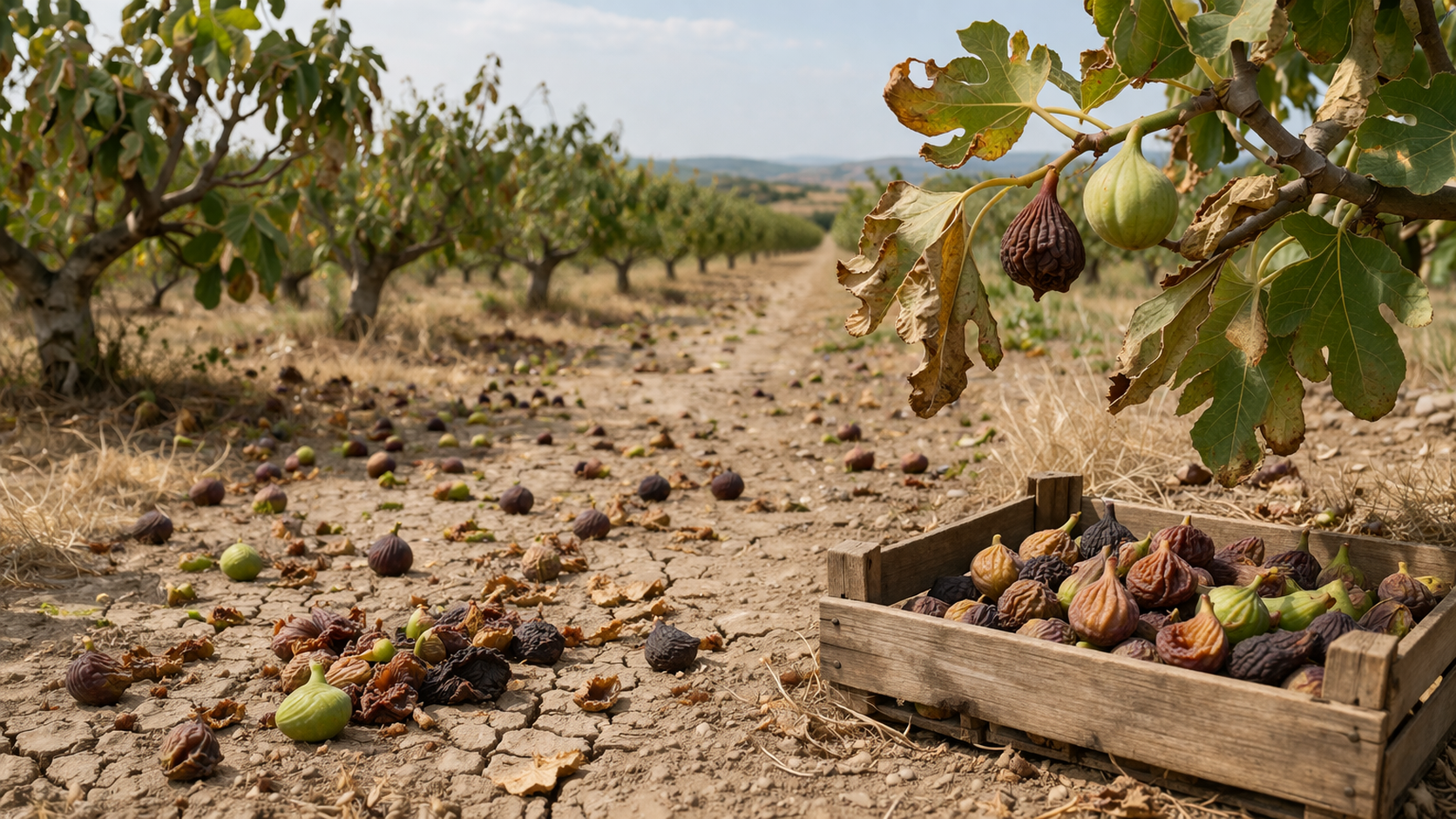
Italian fig crop loss has become an important topic in modern agriculture because figs are more than just a seasonal fruit in Italy. They are part of local farming traditions, regional food culture, and small business income in many communities across the country.
When people search for italian fig crop loss, they usually want to understand why fig production is declining, what is harming orchards, and how this issue affects growers and markets. The topic is gaining attention because repeated losses can damage both harvest quality and farmer confidence.
Overview of Italy’s Fig Farming Industry
Italy has a long history of growing figs, especially in warm Mediterranean regions where the climate supports fruit trees. Fresh figs, dried figs, and fig-based products are valued for their taste, texture, and role in many traditional dishes sold locally and abroad.
Fig farming may not always receive the same attention as grapes or olives, yet it remains meaningful for many rural producers. In some regions, fig orchards support small family farms that depend on steady seasonal yields to maintain their income and protect agricultural heritage.
What Is Happening With Italian Fig Crop Loss?
In recent years, more conversations have emerged about italian fig crop loss because growers have faced weaker harvests, lower fruit quality, and changing orchard conditions. Some seasons have brought good output in one area while nearby farms experienced serious decline and uneven fruit development.
This situation creates uncertainty for farmers who rely on predictable weather and stable tree health. Crop loss does not always mean a total failure, but even partial damage can reduce the market value of figs and make the entire season less profitable than expected.
Main Weather-Related Causes of Italian Fig Crop Loss
Weather is one of the biggest reasons behind italian fig crop loss. Figs grow best under balanced warmth and moderate moisture, but extreme heat can stress the trees. Long dry periods may reduce fruit size, weaken branches, and cause immature figs to fall early.
Unexpected storms can also harm the crop at critical moments in the growing cycle. Heavy rain, strong wind, or sudden temperature shifts may damage fruit skin, reduce sweetness, and create cracks that make figs less attractive and more difficult to sell in fresh markets.
Pest and Disease Problems Affecting Fig Production
Pests are another major concern for fig growers in Italy. Insects that attack fruit, leaves, or bark can reduce orchard health over time. Even when the damage first appears small, pest pressure can grow quickly and lead to lower yields by harvest season.
Plant diseases also play a serious role in italian fig crop loss, especially when humid conditions or weak soil health create a favorable environment for infection. Fungal issues, rot, or leaf-related disease can damage quality, shorten shelf life, and make fruit harder to transport safely.
Soil and Water Challenges in Fig Orchards
Healthy soil is the quiet foundation of every productive orchard, and fig trees are no exception. When soil becomes too dry, poorly nourished, or compacted, roots struggle to absorb the water and nutrients needed for strong fruit growth throughout the season.
Water management is equally important in explaining italian fig crop loss. Some orchards suffer from drought and limited irrigation, while others face poor water timing. Too little water weakens the tree, but sudden excess water can also create stress and reduce fruit consistency.
How Climate Change Is Linked to Italian Fig Crop Loss
Climate change is now part of almost every agricultural conversation, and fig farming is no different. Rising temperatures, irregular rainfall, and longer dry spells are changing the growing environment in many Mediterranean areas, making old farming patterns harder to rely on.
Italian fig crop loss is increasingly linked to these wider shifts because trees must adapt to faster and less predictable seasonal changes. Climate pressure does not always destroy an orchard in one year, but repeated stress can reduce resilience and increase vulnerability over time.
Economic Effects of Italian Fig Crop Loss
When fig harvests decline, the financial effect on growers can be immediate. Farmers may invest in irrigation, labor, orchard care, and transport, only to discover that lower yields prevent them from recovering those costs through sales during the peak marketing period.
Italian fig crop loss can also weaken confidence in future planting decisions. If orchard owners feel unsure about upcoming seasons, they may delay improvements or reduce expansion plans. That hesitation can slow growth in local agricultural economies and limit the long-term development of fig production.
Impact on Local Communities and Agricultural Workers
Crop loss is not only a farm issue; it is also a community issue. In rural areas where fig growing supports seasonal jobs, poor harvests can reduce employment opportunities for pickers, packers, transport workers, and others connected to the local agricultural chain.
Families who depend on orchard income may feel the strain long after the harvest season ends. Lower earnings can affect household planning, investment in equipment, and even the ability to maintain traditional farming land that has been passed from one generation to another.
Effects on Prices, Trade, and Consumer Access
One clear result of italian fig crop loss is pressure on supply. When fewer quality figs reach the market, prices may rise for fresh fruit and processed products. Buyers often notice smaller availability, shorter selling windows, and less consistency in quality from region to region.
This can affect both domestic consumers and trade partners. Exporters may struggle to meet demand if harvest volumes fall below expectation. At the same time, local customers may face higher prices for a fruit that is usually associated with freshness, abundance, and seasonal enjoyment.
What Farmers Are Doing to Reduce Future Losses
Farmers are not simply watching the problem grow; many are actively changing how they manage their orchards. Better irrigation systems, improved monitoring, and stronger pest control methods are helping growers respond more quickly to the conditions that threaten fig trees.
Some producers are also focusing on long-term adaptation. They are improving soil care, adjusting pruning methods, and using smarter water planning to protect fruit quality. These efforts may not remove every risk, but they can reduce the severity of future italian fig crop loss.
Latest Concerns and Future Outlook for Italian Fig Production
The latest concerns around italian fig crop loss center on uncertainty. Growers worry that unstable weather, repeated pest problems, and higher production costs could make future seasons more difficult. Many are asking whether current challenges are temporary or signs of a deeper agricultural shift.
The future of Italian fig production will likely depend on adaptation, research, and practical support for farmers. If growers receive better tools and strategies, orchards may remain productive. Without that support, repeated losses could slowly reduce both output and confidence in the industry.
Conclusion
Italian fig crop loss is a complex issue shaped by weather, pests, disease, soil conditions, water problems, and climate pressure. It affects far more than fruit quantity alone. It touches farm income, local labor, market supply, and the broader future of fig cultivation in Italy.
Understanding italian fig crop loss matters because awareness is the first step toward stronger solutions. With careful orchard management, climate adaptation, and support for growers, Italy can protect one of its valuable fruit traditions and work toward healthier, more reliable harvests in the years ahead.
